The Sade Sati Survival Guide: Navigating Saturn’s 7.5-Year Karmic Transit
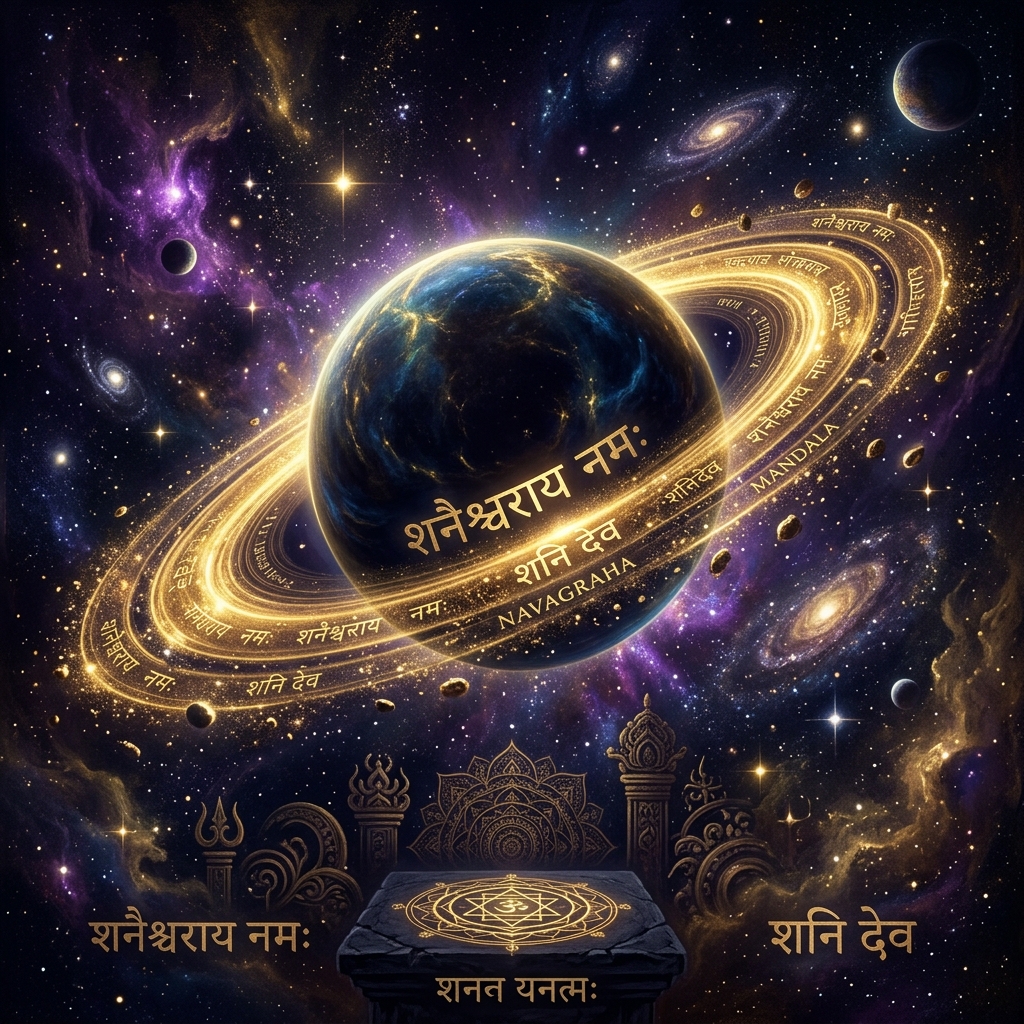
Mention the words 'Sade Sati' to anyone familiar with Vedic astrology, and you will likely see a look of immediate concern. For generations, this 7.5-year transit of Saturn (Shani) has been painted as an astrological boogeyman—a period of relentless trials, financial ruin, and emotional isolation. But is this fear truly justified, or have we misunderstood the nature of the cosmos's most diligent teacher?
In Vedic Hindu astrology, Sade Sati represents the period when Saturn transits through the 12th, 1st, and 2nd houses from your natal Moon sign. Since Saturn takes approximately 2.5 years to cross a single zodiac sign, transiting three consecutive houses takes exactly 7.5 years. This is a cycle that every human goes through two to three times in a typical lifespan, representing major checkpoints in our evolutionary growth.
The Three Dhaiyas (Phases) of Sade Sati
Sade Sati is not a uniform block of difficulty; it operates in three distinct phases, each lasting roughly 2.5 years. Astrologers refer to these phases as 'Dhaiyas' (meaning one-third).
- •Phase I: The Rising (Saturn in the 12th House from Moon) - This phase represents the entry of Saturn into your lunar sector. It primarily impacts your subconscious mind, sleep patterns, and financial expenses. You might feel a subtle, unexplainable anxiety, unexpected financial outlays, or a sudden desire to retreat from social circles.
- •Phase II: The Peak (Saturn in the 1st House from Moon) - The most intense phase, as Saturn transits directly over your natal Moon. The Moon represents the mind, emotions, and physical health. When Saturn sits here, it enforces heavy mental pressure, forces you to face your deepest insecurities, and tests your physical resilience. Relationships and self-identity undergo massive re-evaluation.
- •Phase III: The Setting (Saturn in the 2nd House from Moon) - The final stretch, affecting the house of family, wealth, and speech. In this phase, Saturn cleanses your financial habits and refines how you speak. It often brings minor family friction but also starts yielding the hard-earned rewards of the mental labor you put in during the second phase.
Saturn is the Cosmic Auditor, Not an Executioner
To navigate Sade Sati successfully, you must change your perspective on Lord Shani. In the Vedic pantheon, Saturn is the planet of justice (Dharmaraja) and karma. He has no personal animosity toward you. He is simply the cosmic auditor, reviewing your balance sheet of actions and clearing away whatever stands in the way of your soul's growth.
"Saturn does not create suffering; he merely exposes the cracks in your foundation that you chose to ignore during easier transits."
If you have built your career on shortcut methods, your relationships on superficiality, or your physical health on neglect, Saturn's transit will dismantle these unstable structures. The pain felt during Sade Sati is simply the friction of letting go of illusions. Once you align with discipline, humility, and truth, the severity of the transit diminishes significantly.
Time-Tested Vedic Remedies for Sade Sati
Vedic sages did not just leave us with warnings; they provided practical tools to harmonize Saturn's energy. Here are the most effective remedies to practice:
Cosmic Remedy & Guidance
Weekly Ritual: Every Saturday evening, light a mustard oil (Sarso ka Tel) lamp under a Peepal tree. Sit quietly and chant the Shani Beej Mantra: 'Om Pram Preem Prom Sah Shanaishcharaya Namah' 108 times. This simple ritual honors the element of Saturn and grounds your nervous system.
- •Recitation of Hanuman Chalisa: Lord Hanuman is historically associated with controlling Saturn's negative effects. Reciting the Hanuman Chalisa daily, particularly on Tuesdays and Saturdays, acts as a protective shield against mental distress.
- •Honoring Labor and the Elderly: Saturn represents laborers, the working class, and the elderly. Treating these groups with respect, paying fair wages, and offering direct charity (such as blankets, black umbrellas, or food) directly pleases Saturn.
- •Self-Discipline and Sobriety: Saturn demands boundaries. Minimizing alcohol, avoiding deceptive behaviors, and maintaining a strictly structured routine will align you with Saturn's energy of order and discipline.
The Hidden Blessing
Most people emerge from Sade Sati far stronger, wiser, and more resilient than they were when it started. It strips away fair-weather friends, false ambitions, and toxic habits, leaving you with an authentic life path. When Saturn finally exits your 2nd house, he often leaves a parting gift—a stable career structure, a deeply matured personality, or a spiritual foundation that will support you for the next 30 years.
Frequently Asked Questions
What is Sade Sati?
Sade Sati is a 7.5-year planetary transit of Saturn (Shani) over the natal Moon. It begins when Saturn enters the 12th house from the Moon, continues through the 1st house (the Moon sign itself), and finishes as it exits the 2nd house.
Is Sade Sati always bad?
No. Sade Sati is often feared, but it is actually a period of deep restructuring and karmic balancing. Many people achieve their greatest professional heights or spiritual awakenings during Sade Sati if their chart has a strong Saturn or if they lead a disciplined life.
What are the best remedies for Sade Sati?
Traditional remedies include chanting the Shani Gayatri mantra, reciting the Hanuman Chalisa on Saturdays, offering mustard oil to a Peepal tree, and engaging in selfless service (seva) or charity to the poor and labor classes.