Lal Kitab Remedies: The Astro-Alchemy of Simple Everyday Rituals
Vedic astrology has many remedies—complex fire rituals (Yagnas), expensive gemstone recommendations, and long Sanskrit mantras. While highly effective, these can be difficult to access for the average person. This is why the unique system of Lal Kitab (The Red Book) has gained massive popularity.
Lal Kitab is a set of five books published mid-20th century, containing elements of Persian astrology blended with traditional Vedic concepts. What makes it famous is its collection of practical, cost-effective remedies (Upay) that use everyday items and simple actions to bring balance to a horoscope.
The Core Difference: Fixed Houses
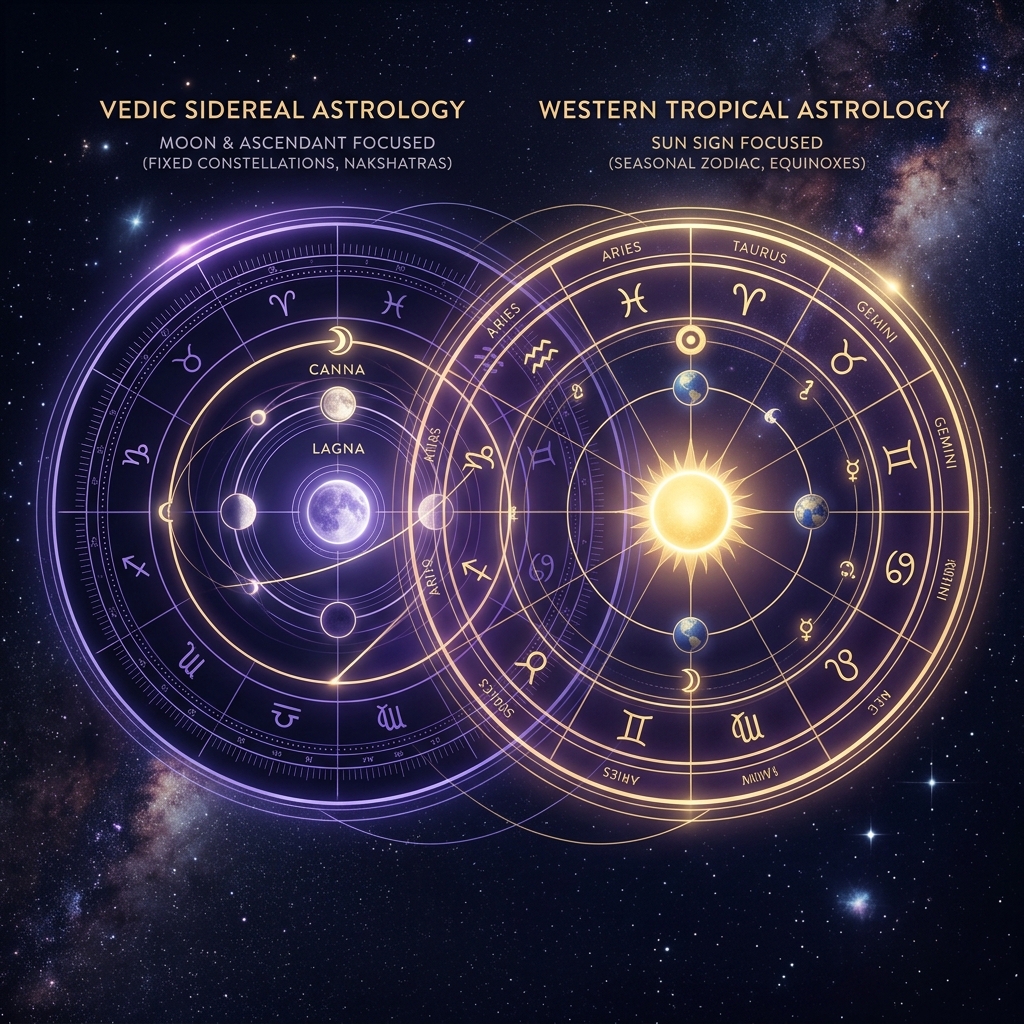
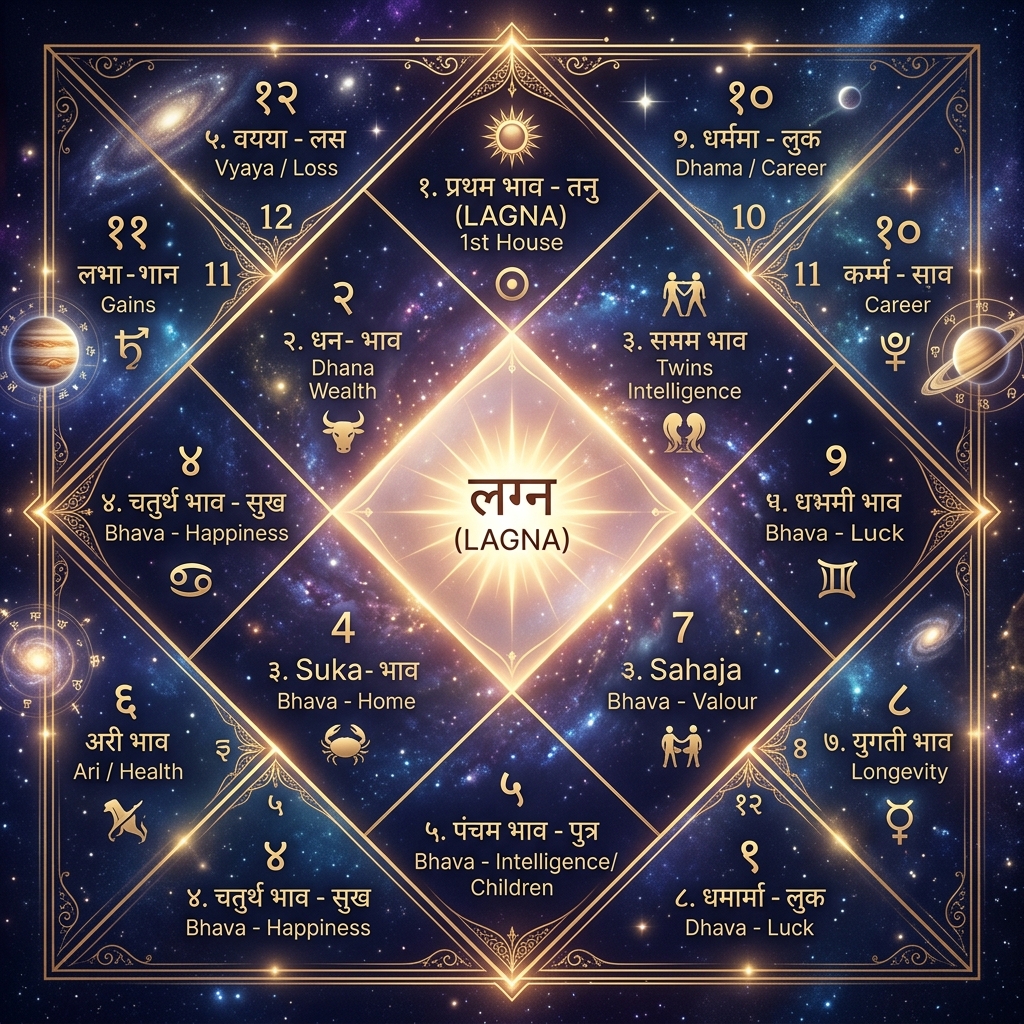
Unlike classical Parashari astrology, which analyzes charts using shifting ascendants and complex house lord calculations, Lal Kitab operates on a fixed-house layout. In Lal Kitab, the 1st house of the chart is always treated as Aries (ruled by Mars), the 2nd house as Taurus (ruled by Venus), and so on.
The focus shifts from theoretical mathematical structures to the relationships between planets (represented as living entities) and their placements in these fixed houses. The remedies are designed to repair any planetary friction.
The Astro-Alchemy of Lal Kitab Upays
Lal Kitab remedies operate on psychological and behavioral association. By interacting with specific objects, animals, or elements in a structured way, you align your subconscious mind with the planetary energy you want to heal.
"Lal Kitab remedies are not magic; they are practical behavioral adjustments that redirect planetary energy through actions of charity and mindfulness."
For example, if a person has a weak Sun (causing lack of confidence or issues with authority), the remedy might involve offering water to the rising Sun daily or carrying a small square piece of copper. Copper and the morning sun represent solar energy; interacting with them daily anchors the mind in confidence and discipline.
Common Lal Kitab Upays and Their Meaning
- •Venus Remedies: Feeding green grass to cows. Venus represents harmony, beauty, and relationships; feeding a cow (a symbol of Venusian nurturing) cultivates compassion and clears relationship obstacles.
- •Saturn Remedies: Feeding black dogs or crows. These animals are traditional symbols of Saturn's protective, earthy energy. Offering them food grounds Saturn's harsh transits.
- •Jupiter Remedies: Donating yellow sweets or wearing a yellow thread. Yellow is the color of Jupiter, representing wisdom, expansion, and teacher figures.
The Rules of Upay
For Lal Kitab remedies to work, they must follow specific rules:
Cosmic Remedy & Guidance
Rule of 43: A remedy must be performed continuously for 43 days. If you miss a day, the cycle breaks and you must restart. This duration is designed to build a new neurological and behavioral habit.
- •Daylight Execution: Remedies should be performed between sunrise and sunset when solar energy is active.
- •Pure Intentions: Doing charity or rituals with a transactional mindset ('I am doing this to get money') reduces the positive impact. Do them with humility.
- •No Contradictory Actions: If you are doing a remedy to strengthen Venus (relationships), but treat your partner poorly, the remedy will not yield results.
Lal Kitab remedies remind us that astrology is not a static fate. Through mindful action, kindness to animals, and daily rituals, we can adjust our personal energy and lead a harmonious life.
Frequently Asked Questions
What is Lal Kitab?
Lal Kitab (Red Book) is a unique branch of Vedic astrology written in Persian script. It simplifies chart analysis by using a fixed-house system where Aries is always the 1st house.
How do Lal Kitab remedies work?
Remedies (Upays) work by associating planetary energies with physical items, animals, and behaviors. Performing these acts helps align your subconscious habits with the planets.
Are Lal Kitab remedies safe to do?
Yes. They are simple, non-invasive acts of charity, kindness, or lifestyle adjustments. However, they must be performed with pure intentions and consistency.